Dubai vs. Singapore: The Ultimate Family Vacation Showdown (2026)
Choosing between Dubai and Singapore for your next family vacation can be tough! Both offer incredible experiences, but cater to different travel styles. This guide breaks down key aspects of each city to help you decide which is the perfect fit for your family in 2026.
Cost of Travel
Dubai: Dubai can be surprisingly affordable, especially when considering accommodation outside peak season. Flights are generally competitive, and there's a wide range of hotel options, from budget-friendly apartments in Deira to luxurious resorts on the Palm Jumeirah. Expect to pay around $800-$1500 per person for a round-trip flight from the US, and $80-$300 per night for accommodation, depending on the location and star rating. Food can be very reasonable if you explore local eateries. Activities like visiting the Burj Khalifa ($40-$60 per person) and desert safaris ($50-$100 per person) can add up.
Singapore: Singapore is generally more expensive than Dubai. Flights are often pricier, and accommodation is significantly higher, especially around Marina Bay and Orchard Road. Expect to pay $1000-$2000 per person for a round-trip flight from the US and $150-$400+ per night for accommodation. Food costs can be managed by eating at hawker centers, but dining at restaurants is generally expensive. Attractions like Gardens by the Bay ($20-$30 per person) and Universal Studios Singapore ($60-$80 per person) also contribute to the overall cost.
Cost Comparison Table
| Factor | Dubai | Singapore |
|---|---|---|
| Flights | Generally less expensive | Generally more expensive |
| Accommodation | Wide range, more affordable options | Generally more expensive, especially in prime areas |
| Food | Affordable local options available | Hawker centers offer affordable meals, but restaurants are pricey |
| Activities | Variety of paid attractions and free activities | Attractions tend to be more expensive |
Best Time to Visit
Dubai: The best time to visit Dubai is during the winter months (November to March) when the weather is pleasant and temperatures range from 70°F to 80°F (21°C to 27°C). Avoid the summer months (June to August) as temperatures can soar above 104°F (40°C) with high humidity.
Singapore: Singapore has a tropical climate with high humidity year-round. The best time to visit is during the dry season (February to April) when rainfall is at its lowest. However, be prepared for occasional rain showers throughout the year.
Food Scene
Dubai: Dubai boasts a diverse culinary scene, reflecting its multicultural population. You'll find everything from traditional Emirati cuisine to international flavors. Explore the vibrant food scene in neighborhoods like Al Karama for affordable Indian food, or head to Dubai Marina for upscale dining with stunning views. Don't miss trying local delicacies like shawarma, falafel, and dates.
Singapore: Singapore is a foodie paradise, renowned for its hawker centers offering a wide array of delicious and affordable dishes. From chili crab and Hainanese chicken rice to laksa and satay, there's something to satisfy every palate. Explore hawker centers in Chinatown, Little India, and Tiong Bahru for authentic Singaporean flavors. Restaurants offer a vast range of international cuisines, from Michelin-starred establishments to trendy cafes.
Family-Friendliness
Dubai: Dubai is incredibly family-friendly, with numerous attractions and activities designed for children of all ages. From theme parks like IMG Worlds of Adventure and Dubai Parks and Resorts to water parks like Aquaventure and Wild Wadi, there's no shortage of entertainment. Many hotels offer kids' clubs and family-friendly amenities. The city is also very safe and clean, making it easy to navigate with children.
Singapore: Singapore is also highly family-friendly, with a focus on education and entertainment. Attractions like Gardens by the Bay, the Singapore Zoo, and the ArtScience Museum offer engaging experiences for children. Sentosa Island is a haven for families, with beaches, theme parks, and water sports. The city is also exceptionally clean and safe, making it a comfortable destination for families.
Safety
Dubai: Dubai is considered one of the safest cities in the world. Crime rates are low, and the government maintains a strong police presence. It's generally safe to walk around at night, even in less touristy areas. However, it's always wise to be aware of your surroundings and take precautions against petty theft.
Singapore: Singapore is also exceptionally safe, with one of the lowest crime rates in the world. The government enforces strict laws, and the city is meticulously maintained. It's safe to walk around at any time of day or night. However, it's important to be aware of the strict rules and regulations, as fines can be imposed for minor offenses like littering or jaywalking.
Nightlife
Dubai: Dubai offers a vibrant nightlife scene, with a wide range of bars, clubs, and lounges. Many of the best nightlife venues are located in hotels, particularly around Dubai Marina and Downtown Dubai. Be aware that alcohol is not as readily available as in Western countries, and it's generally more expensive. Dress codes are often enforced, especially in upscale venues.
Singapore: Singapore's nightlife is more sophisticated and diverse, with a mix of rooftop bars, cocktail lounges, and live music venues. Clarke Quay and Boat Quay are popular areas for nightlife, offering a wide range of options. Alcohol is readily available, and there's a relaxed atmosphere in most venues. However, be aware that some areas may have noise restrictions after certain hours.
Culture and History
Dubai: Dubai's cultural heritage is rooted in Bedouin traditions and Islamic values. While the city is modern and cosmopolitan, there are still opportunities to experience traditional Emirati culture. Visit the Al Fahidi Historical Neighbourhood (Bastakiya) to explore traditional wind-tower architecture, or take an abra (traditional boat) across Dubai Creek. The Gold Souk and Spice Souk offer a glimpse into the city's trading history.
Singapore: Singapore's culture is a melting pot of Chinese, Malay, Indian, and Western influences. Explore the vibrant ethnic enclaves of Chinatown, Little India, and Kampong Glam (Malay Quarter) to experience the diverse cultures and traditions. Visit the National Museum of Singapore to learn about the country's history and heritage. The Peranakan Museum offers insights into the unique Peranakan culture, a blend of Chinese and Malay traditions.
Ease of Getting Around
Dubai: Dubai has a well-developed public transportation system, including the Dubai Metro, buses, and taxis. The metro is efficient and affordable, connecting major attractions and residential areas. Taxis are readily available, but can be expensive during peak hours. Ride-hailing services like Uber and Careem are also popular. Walking can be challenging in some areas due to the extreme heat and long distances.
Singapore: Singapore boasts an excellent public transportation system, including the MRT (Mass Rapid Transit), buses, and taxis. The MRT is efficient, clean, and affordable, connecting all major parts of the city. Buses are also readily available and cover a wide network of routes. Taxis are plentiful and relatively affordable. Walking is a great way to explore many areas of the city, as sidewalks are well-maintained and pedestrian-friendly.
Accommodation Options
Dubai: Dubai offers a vast range of accommodation options, from budget-friendly apartments and hotels in Deira and Bur Dubai to luxurious resorts on the Palm Jumeirah and Jumeirah Beach Residence (JBR). You can find everything from basic rooms to opulent suites with private pools and beach access. Consider staying in areas like Downtown Dubai for easy access to attractions like the Burj Khalifa and Dubai Mall, or choose a beachfront location for a relaxing vacation.
Singapore: Singapore offers a wide range of accommodation options, from budget-friendly hostels and guesthouses in areas like Little India and Geylang to luxurious hotels around Marina Bay and Orchard Road. You can find everything from basic rooms to opulent suites with stunning city views. Consider staying in areas like Marina Bay for easy access to attractions like Gardens by the Bay and the Merlion, or choose a location near Orchard Road for shopping and dining.
Overall Vibe
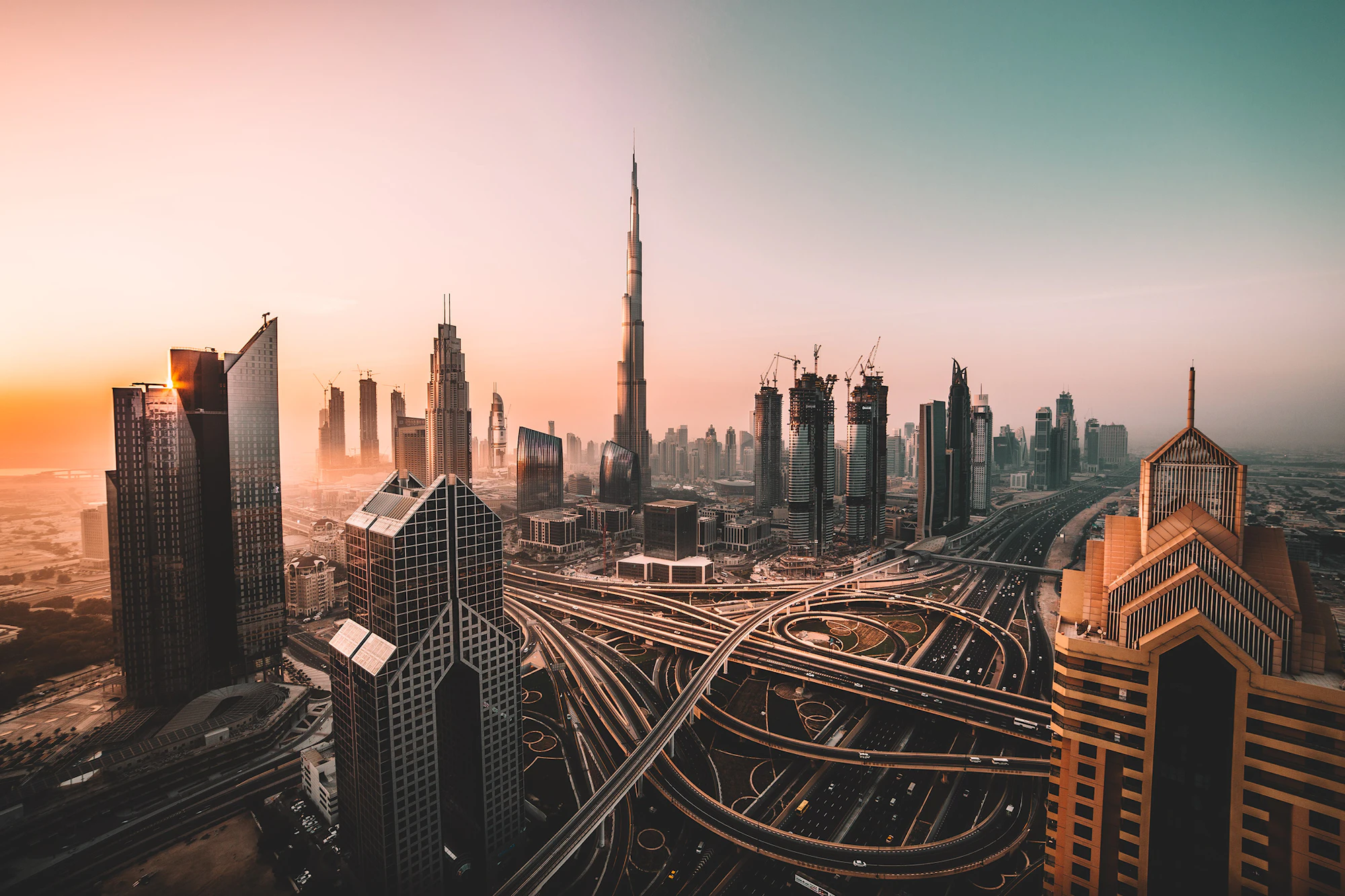
Dubai: Dubai exudes a sense of modern luxury and extravagance. The city is known for its futuristic architecture, world-class shopping, and thrilling attractions. It's a place where you can experience the best of both worlds, from traditional Arabian culture to cutting-edge technology. The overall vibe is fast-paced, glamorous, and ambitious.
Singapore: Singapore offers a more refined and sophisticated atmosphere. The city is known for its cleanliness, efficiency, and multiculturalism. It's a place where you can experience a blend of Eastern and Western cultures, from traditional temples to modern skyscrapers. The overall vibe is calm, orderly, and progressive.
Dubai Pros and Cons
- Pros:
- More affordable accommodation and food options.
- Thrill-seeking activities like desert safaris and theme parks.
- Impressive architecture and luxury shopping.
- Cons:
- Extreme heat during the summer months.
- Less cultural immersion compared to Singapore.
- Alcohol restrictions.
Singapore Pros and Cons
- Pros:
- Excellent public transportation and walkability.
- Rich cultural diversity and culinary scene.
- High level of safety and cleanliness.
- Cons:
- Higher cost of travel and accommodation.
- Year-round humidity.
- Strict rules and regulations.
Choose Dubai If...
You're looking for a luxurious and thrilling vacation with affordable options, don't mind the heat, and enjoy modern architecture and theme parks.
Choose Singapore If...
You value safety, cleanliness, cultural diversity, excellent public transportation, and a world-class culinary scene, and are willing to pay a premium for it.
FAQs
What is the currency used in Dubai and Singapore?
The currency used in Dubai is the United Arab Emirates Dirham (AED). The currency used in Singapore is the Singapore Dollar (SGD).
Is English widely spoken in Dubai and Singapore?
Yes, English is widely spoken in both Dubai and Singapore. It is one of the official languages of Singapore and is commonly used in business and tourism. In Dubai, English is widely used in the tourism industry and many residents are fluent.
What type of adapter do I need for Dubai and Singapore?
In Dubai, the standard voltage is 230 V and the frequency is 50 Hz. The power sockets are Type G. In Singapore, the standard voltage is 230 V and the frequency is 50 Hz. The power sockets are Type G.
Are Dubai and Singapore safe for solo female travelers?
Yes, both Dubai and Singapore are considered very safe for solo female travelers. Both cities have low crime rates and are well-policed. However, it's always important to be aware of your surroundings and take precautions, especially when walking alone at night.
Which city is better for shopping, Dubai or Singapore?
Both Dubai and Singapore offer excellent shopping experiences, but cater to different tastes. Dubai is known for its luxury malls and high-end brands, while Singapore offers a mix of designer boutiques, department stores, and local markets. Ultimately, the better city for shopping depends on your personal preferences and budget.
Is it easy to find Halal food in Dubai and Singapore?
Yes, it is very easy to find Halal food in both Dubai and Singapore. Dubai has a large Muslim population, and many restaurants offer Halal options. Singapore also has a significant Muslim population, and Halal food is widely available, especially in areas like Kampong Glam and Geylang Serai.