Dubai Travel Safety Guide: What Every Tourist Should Know (2026)
Dubai, a dazzling metropolis in the United Arab Emirates, has become a top destination for families seeking adventure, luxury, and cultural experiences. Before embarking on your unforgettable journey in 2026, understanding the local safety landscape is paramount. This guide provides a comprehensive overview of safety considerations, ensuring a secure and enjoyable trip for you and your loved ones.
Overall Safety Rating
Dubai boasts a remarkably high safety rating, often considered one of the safest cities in the world. The UAE has stringent laws and a visible police presence, contributing to a low crime rate. However, like any major city, it's crucial to remain vigilant and aware of your surroundings. The US State Department currently has Dubai at a Level 1 Travel Advisory, which means “Exercise Normal Precautions.”
Safest Neighborhoods in Dubai
Certain neighborhoods in Dubai are particularly known for their safety and family-friendly atmosphere:
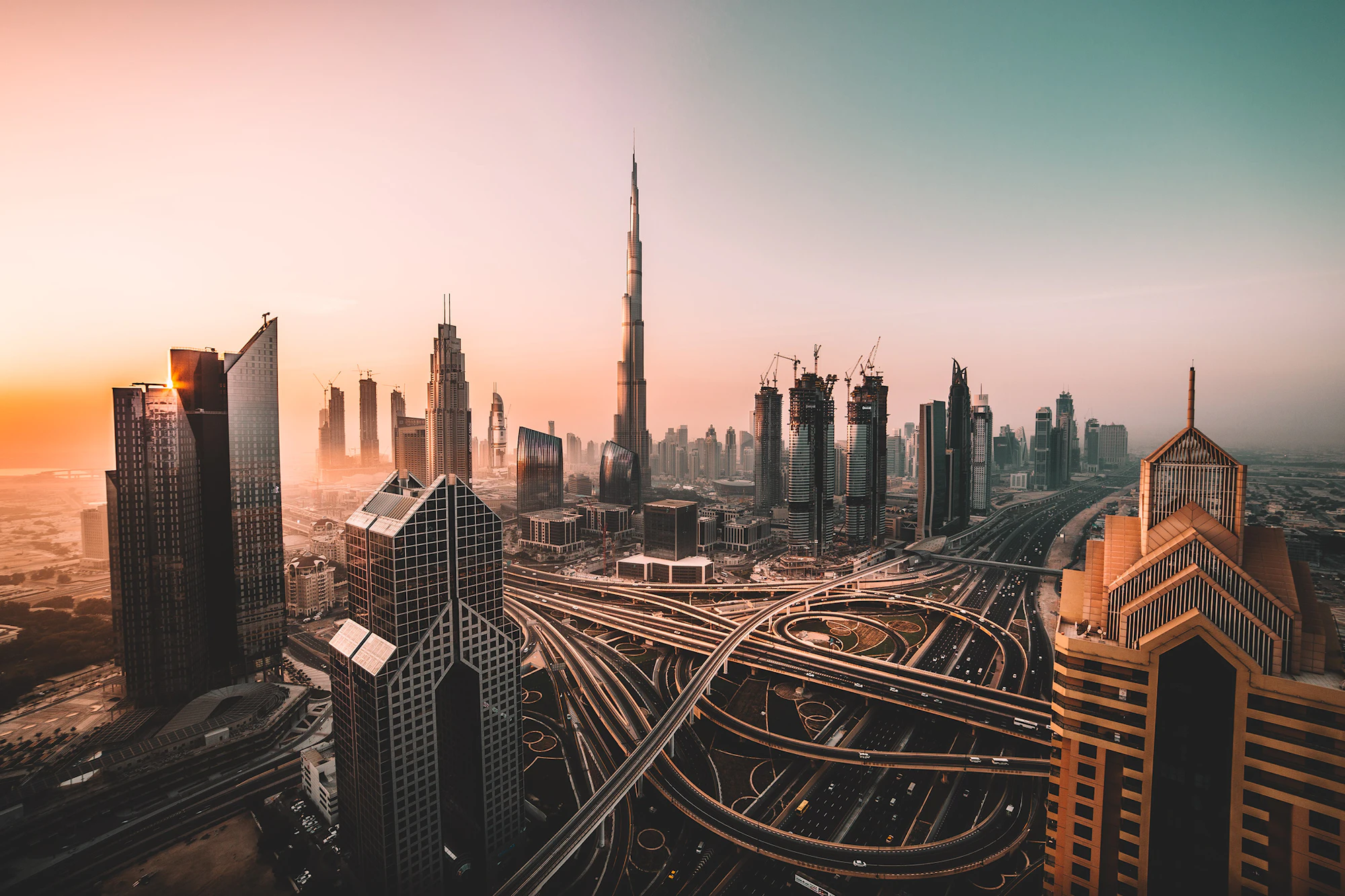
- Downtown Dubai: Home to iconic landmarks like the Burj Khalifa and The Dubai Mall, Downtown Dubai is meticulously maintained and heavily patrolled. Expect to see a strong security presence, making it a safe area for walking around at any time. However, due to its popularity, it can become crowded, so keep a close watch on your belongings. Hotels here range from $200-$800/night.
- Jumeirah Beach Residence (JBR): This vibrant beachfront community is popular with tourists and residents alike. The Walk at JBR is a pedestrian promenade lined with shops, restaurants, and entertainment options. JBR is generally very safe, especially during the day. Hotels and apartments in JBR range from $150-$600/night.
- Dubai Marina: Similar to JBR, Dubai Marina offers a stunning waterfront setting with upscale residences, restaurants, and shops. The area is well-lit and regularly patrolled, making it a safe option for families. Expect to pay between $180 and $700 per night for accommodation.
Areas to Avoid at Night
While Dubai is generally safe, some areas are best avoided or approached with caution, especially at night:
- Older parts of Deira and Bur Dubai: These historical districts offer a glimpse into Dubai's past, but some areas can be less well-lit and more crowded, potentially attracting petty crime. Exercise caution, particularly in dimly lit alleyways or crowded markets after dark. Stick to well-lit main streets.
- Industrial Areas: Areas like Al Quoz and Jebel Ali Industrial Area are not tourist destinations and are not designed for pedestrian traffic. Avoid these areas, especially at night.
Common Tourist Scams and How to Avoid Them
Dubai is generally free of serious crime, but tourists can be targets for petty scams. Be aware of the following:
- Fake Tour Operators: Only book tours and excursions through reputable companies or your hotel. Be wary of individuals approaching you on the street offering discounted tours. Check online reviews and verify the company's credentials before booking.
- Taxi Overcharging: Ensure the taxi meter is running at the start of your journey. If a driver refuses to use the meter, politely decline the ride and find another taxi. Alternatively, use ride-hailing apps like Uber or Careem, which provide fixed fares.
- Souvenir Scams: Be cautious when purchasing souvenirs, especially in traditional markets (souks). Negotiate prices before committing to a purchase, and be aware that some vendors may try to inflate prices for tourists. Compare prices at different stalls before buying.
- 'Free Gift' Scams: Be wary of people offering you "free gifts" or samples, as they may try to pressure you into buying something later. Politely decline and walk away.
- ATM Skimmers: Use ATMs located inside banks or well-lit, secure locations. Check for any signs of tampering before using the ATM. Cover the keypad when entering your PIN.
Emergency Numbers and Nearest Hospitals
In case of an emergency, dial the following numbers:
- Police: 999
- Ambulance: 998
- Fire Department: 997
Several world-class hospitals are available in Dubai:
- American Hospital Dubai: Reputable hospital with a wide range of medical services. Located on Oud Metha Road. Phone: +971 4 336 7777.
- Mediclinic City Hospital: Modern hospital offering comprehensive healthcare services. Located in Dubai Healthcare City. Phone: +971 4 435 9999.
- Saudi German Hospital Dubai: Well-equipped hospital with experienced medical professionals. Located on Hessa Street. Phone: +971 4 389 0000.
It's advisable to save these numbers and hospital addresses in your phone for easy access.
Pickpocket Hotspots
While pickpocketing is not rampant in Dubai, it can occur in crowded areas. Be extra vigilant in these locations:
- The Dubai Mall: One of the world's largest shopping malls, The Dubai Mall can get extremely crowded, especially during peak hours and holidays. Keep your belongings close and be aware of your surroundings.
- Gold and Spice Souks: These traditional markets are popular tourist destinations, but they can also be crowded and chaotic. Be mindful of your belongings and avoid displaying large amounts of cash.
- Public Transportation: Buses and metro trains can be crowded, particularly during rush hour. Keep your valuables secure and be aware of anyone standing too close to you.
- Tourist Attractions: Popular attractions like the Burj Khalifa observation deck and the Dubai Fountain show attract large crowds. Be vigilant and keep your belongings within sight.
Food and Water Safety
Dubai maintains high standards of food safety. Tap water is generally safe to drink, but bottled water is widely available and preferred by many. When dining out, choose reputable restaurants and avoid street food vendors with questionable hygiene practices. Look for establishments with good reviews and visible cleanliness. Ensure that meat and seafood are thoroughly cooked and served hot. If in doubt, opt for bottled water and well-cooked meals.
Transportation Safety Tips
Dubai offers a range of transportation options, including taxis, buses, the metro, and ride-hailing services. Here are some safety tips:
- Taxis: Use official Dubai Taxi Corporation taxis, which are metered and regulated. Avoid unmarked taxis or those that solicit passengers. Ensure the meter is running at the start of your journey.
- Metro: The Dubai Metro is a modern and efficient transportation system. Be aware of your surroundings, especially during rush hour. Avoid standing too close to the edge of the platform.
- Buses: Dubai's bus network is extensive and affordable. Be mindful of your belongings, particularly on crowded buses.
- Ride-Hailing Apps (Uber, Careem): These apps provide a convenient and reliable way to get around Dubai. Ensure the driver's identity matches the information on the app before entering the vehicle. Share your ride details with a trusted contact.
- Driving: If you plan to drive in Dubai, be aware of local traffic laws and driving habits. Traffic can be heavy, especially during peak hours. Be cautious of speeding drivers and aggressive lane changes. Rent a car from a reputable company.
Solo Female Traveler Advice
Dubai is generally considered safe for solo female travelers. However, it's important to be aware of local customs and dress modestly, especially in religious sites and traditional areas. Avoid walking alone in poorly lit or isolated areas at night. Use reputable taxi services or ride-hailing apps. Be confident and assertive in your interactions with others. If you feel uncomfortable or harassed, seek assistance from the police or security personnel.
LGBTQ+ Safety
The UAE has strict laws regarding same-sex relationships and public displays of affection. LGBTQ+ travelers should exercise caution and avoid public displays of affection. It's advisable to research local laws and customs before traveling to Dubai. Be discreet and respectful of local norms.
Natural Hazard Awareness
Dubai experiences extreme heat during the summer months (June to September). Stay hydrated by drinking plenty of water. Avoid prolonged exposure to the sun, especially during midday. Wear sunscreen, a hat, and sunglasses. Be aware of the risk of heatstroke and heat exhaustion. If you experience symptoms such as dizziness, headache, or nausea, seek medical attention immediately. Sandstorms can occur occasionally, reducing visibility and causing respiratory irritation. Stay indoors during sandstorms and avoid outdoor activities.
Travel Insurance Recommendations
Comprehensive travel insurance is essential for any trip to Dubai. Ensure your policy covers medical expenses, trip cancellation, lost or stolen belongings, and emergency evacuation. Consider a policy that includes coverage for activities such as desert safaris or water sports. Compare policies from different providers to find the best coverage for your needs. Read the fine print carefully to understand the policy's terms and conditions. Some popular options are World Nomads, Allianz, and Travel Guard.
Embassy/Consulate Information
Knowing the location of your embassy or consulate in Dubai is crucial in case of emergencies:
- U.S. Consulate General Dubai: Al Seef Road, Dubai. Phone: +971 4 309 4000.
- British Embassy Dubai: Al Seef Road, Dubai. Phone: +971 4 309 4444.
- Canadian Embassy Dubai: 19th Floor, Dubai World Trade Centre. Phone: +971 4 404 8444.
- Australian Embassy Dubai: 25th Floor, Dubai World Trade Centre. Phone: +971 4 508 7100.
Keep the contact information for your embassy or consulate readily available.
Conclusion
Dubai is a remarkably safe and welcoming city for families. By being aware of your surroundings, taking basic safety precautions, and respecting local customs, you can ensure a memorable and worry-free vacation. With its stunning attractions, world-class amenities, and commitment to safety, Dubai promises an unforgettable experience for travelers of all ages. Enjoy your trip to Dubai in 2026!
Frequently Asked Questions (FAQs)
Here are some frequently asked questions about safety in Dubai:
FAQ 1: Is it safe to walk around Dubai at night?
Generally, yes. Areas like Downtown Dubai, JBR, and Dubai Marina are well-lit and patrolled, making them safe for walking at night. However, it's best to avoid less populated or poorly lit areas, particularly in older parts of the city.
FAQ 2: What should I do if I encounter a scammer in Dubai?
If you suspect you've encountered a scammer, politely disengage and walk away. Do not provide any personal information or money. Report the incident to the police or your hotel concierge. Be wary of unsolicited offers or overly friendly strangers.
FAQ 3: Is the tap water in Dubai safe to drink?
Tap water in Dubai is treated and generally safe to drink, but many people prefer bottled water due to taste preferences. Bottled water is readily available in supermarkets, hotels, and restaurants.
FAQ 4: What is the dress code in Dubai?
Dubai has a modest dress code, especially in religious sites and traditional areas. Women should dress conservatively, covering their shoulders and knees. Men should avoid wearing sleeveless shirts and shorts in public places. Swimwear is acceptable at beaches and swimming pools.
FAQ 5: Is it safe for solo female travelers in Dubai?
Yes, Dubai is generally safe for solo female travelers. However, it's important to be aware of your surroundings and take precautions, such as avoiding walking alone in poorly lit areas at night and using reputable transportation services. Dress modestly and be confident in your interactions with others.
FAQ 6: What kind of travel insurance do I need for Dubai?
You should purchase comprehensive travel insurance that covers medical expenses, trip cancellation, lost or stolen belongings, and emergency evacuation. Ensure the policy covers activities you plan to participate in, such as desert safaris or water sports. Compare policies from different providers to find the best coverage for your needs.