Discovering Dubai's Cultural Heart: A Family Journey Through History and Tradition (2026)
Dubai, a city synonymous with futuristic skyscrapers and luxury shopping, holds a rich cultural heritage waiting to be uncovered. Beyond the glitz and glamour lies a fascinating history, vibrant traditions, and captivating stories. This guide is designed to help your family embark on a cultural journey through Dubai, exploring its museums, historical landmarks, and local customs.
Must-Visit Museums: Stepping Back in Time
Dubai Museum
Located in the Al Fahidi Fort, the Dubai Museum is the city's oldest existing building. It offers a captivating glimpse into Dubai's pre-oil era, showcasing traditional Emirati life. Exhibits include pearl diving displays, traditional boats, and recreations of desert life. It's a great starting point for understanding Dubai's transformation.
- Address: Al Fahidi Fort, Al Fahidi Street, Bur Dubai
- Entry Fee: AED 3 (Adults), AED 1 (Children)
- Hours: Saturday to Thursday, 8:30 AM to 8:30 PM; Friday, 2:30 PM to 8:30 PM
- Tip: Visit early in the morning to avoid crowds, especially during peak season. Consider purchasing a Dubai Pass for access to multiple attractions and potential discounts.
Etihad Museum
The Etihad Museum chronicles the events leading up to the formation of the United Arab Emirates in 1971. Through interactive exhibits, photographs, and historical documents, visitors can learn about the founding fathers and the UAE's journey to independence. It's a powerful and educational experience for the whole family.
- Address: 1 Jumeirah Street, Union House, Dubai
- Entry Fee: AED 25 (Adults), AED 10 (Students)
- Hours: Daily, 10:00 AM to 6:00 PM
- Tip: Allow at least 2-3 hours to fully explore the museum. Check for special exhibitions or events that might coincide with your visit.
Sheikh Mohammed Centre for Cultural Understanding (SMCCU)
While not a traditional museum, the SMCCU is a vital cultural institution dedicated to promoting understanding between different cultures. They offer guided tours of the Al Fahidi Historical Neighbourhood, traditional Emirati meals with open discussions, and Arabic classes. It's an immersive and insightful experience that helps break down cultural barriers.
- Address: House 26, Al Fahidi Historical Neighbourhood, Bur Dubai
- Activities: Cultural meals (approx. AED 150-200 per person), walking tours (approx. AED 95 per person), Arabic classes (prices vary)
- Tip: Book your activities in advance, especially during peak season. Be prepared to ask questions and engage in open dialogue about Emirati culture.
Historical Landmarks: Echoes of the Past
Al Fahidi Historical Neighbourhood (Bastakiya)
This charming district, also known as Bastakiya, offers a glimpse into Dubai's past with its traditional wind-tower architecture, narrow alleyways, and art galleries. Wander through the labyrinthine streets, explore the art galleries, and enjoy a traditional Emirati meal at one of the many cafes. It's a world away from the modern skyscrapers.
- Highlights: XVA Gallery, Coffee Museum, Arabian Tea House Cafe
- Tip: Wear comfortable shoes as you'll be doing a lot of walking. Visit in the late afternoon or early evening to avoid the midday heat.
Jumeirah Mosque
One of Dubai's most iconic landmarks, the Jumeirah Mosque is a stunning example of Islamic architecture. Non-Muslims are welcome to take guided tours of the mosque, which offer insights into Islamic culture and traditions. It's a respectful and educational experience.
- Address: Jumeirah Beach Road, Jumeirah 1
- Tours: Offered by the Sheikh Mohammed Centre for Cultural Understanding (SMCCU)
- Tour Fee: Approximately AED 30 per person
- Tip: Dress modestly when visiting the mosque (shoulders and knees covered). Women will be provided with a headscarf. Tours are typically offered in the morning.
Spice Souk and Gold Souk
Immerse yourselves in the vibrant atmosphere of the Spice Souk and Gold Souk, located in Deira. The Spice Souk is a sensory overload with its colorful displays of spices, herbs, and fragrances. The Gold Souk glitters with an array of gold jewelry, from traditional designs to modern creations. Bargaining is expected in both souks, so don't be afraid to haggle for the best price.
- Location: Deira, near Dubai Creek
- Tip: Visit in the evening when the souks are bustling with activity. Be aware of pickpockets and keep your valuables secure.
Dubai Creek
The Dubai Creek has been the lifeblood of the city for centuries, serving as a vital trade route and fishing hub. Take an abra (traditional wooden boat) ride across the creek for just AED 1 per person and experience a slice of old Dubai. You can also explore the dhow wharfage, where traditional trading vessels are still loaded and unloaded.
- Tip: Abra rides are a must-do experience for families. Consider taking a longer dhow cruise in the evening, which often includes dinner and entertainment.
Understanding Local Traditions and Customs
Cultural Etiquette: Dos and Don'ts
Respect for local customs is essential when visiting Dubai. Here are a few guidelines to keep in mind:
- Dress modestly: While Dubai is relatively liberal compared to other Middle Eastern countries, it's still important to dress respectfully, especially when visiting religious sites or traditional areas. Avoid revealing clothing and opt for loose-fitting garments that cover your shoulders and knees.
- Public displays of affection: Avoid excessive public displays of affection, such as kissing or hugging. Holding hands is generally acceptable for married couples.
- Ramadan: If you're visiting during Ramadan, be mindful that Muslims are fasting from dawn to sunset. Avoid eating, drinking, or smoking in public during fasting hours. Many restaurants will be closed during the day, but some will offer takeaway or delivery services.
- Photography: Be respectful when taking photographs and avoid photographing people without their permission.
- Alcohol: Alcohol is available in licensed hotels and restaurants, but it's illegal to drink alcohol in public places.
- Tipping: Tipping is customary in Dubai. A tip of 10-15% is generally expected in restaurants and for taxi services.
Traditional Arts and Crafts
Dubai has a rich tradition of arts and crafts, which are still practiced today. Some popular crafts include:
- Pottery: Traditional Emirati pottery is often decorated with geometric patterns and used for serving dates and coffee.
- Weaving: Weaving is a traditional craft practiced by Bedouin women, who create intricate textiles from camel or goat hair.
- Henna painting: Henna is a natural dye used to create temporary body art, often worn for special occasions such as weddings and Eid.
- Calligraphy: Arabic calligraphy is a beautiful art form that uses stylized lettering to create decorative designs.
You can find these crafts at local markets and cultural centers. Consider taking a workshop to learn more about these traditional arts.
Local Festivals and Celebrations
Dubai hosts a variety of festivals and celebrations throughout the year, offering visitors a glimpse into Emirati culture. Some popular events include:
- Dubai Shopping Festival (DSF): Held annually in January and February, DSF is a month-long extravaganza of shopping, entertainment, and cultural events.
- Dubai Food Festival: This annual festival celebrates Dubai's diverse culinary scene with food trucks, cooking demonstrations, and special menus at restaurants.
- Eid al-Fitr and Eid al-Adha: These Islamic holidays mark the end of Ramadan and the Feast of Sacrifice, respectively. They are celebrated with special prayers, family gatherings, and festive meals.
- UAE National Day: Celebrated on December 2nd, UAE National Day commemorates the unification of the emirates in 1971. The day is marked with parades, fireworks, and cultural performances.
Dubai's Neighborhoods: A Tapestry of History and Modernity
Old Dubai (Deira and Bur Dubai)
These historic districts are the heart of old Dubai, characterized by traditional architecture, bustling souks, and the Dubai Creek. Explore the Al Fahidi Historical Neighbourhood, ride an abra across the creek, and haggle for spices and gold in the souks. This area offers a glimpse into Dubai's pre-oil past.
Downtown Dubai
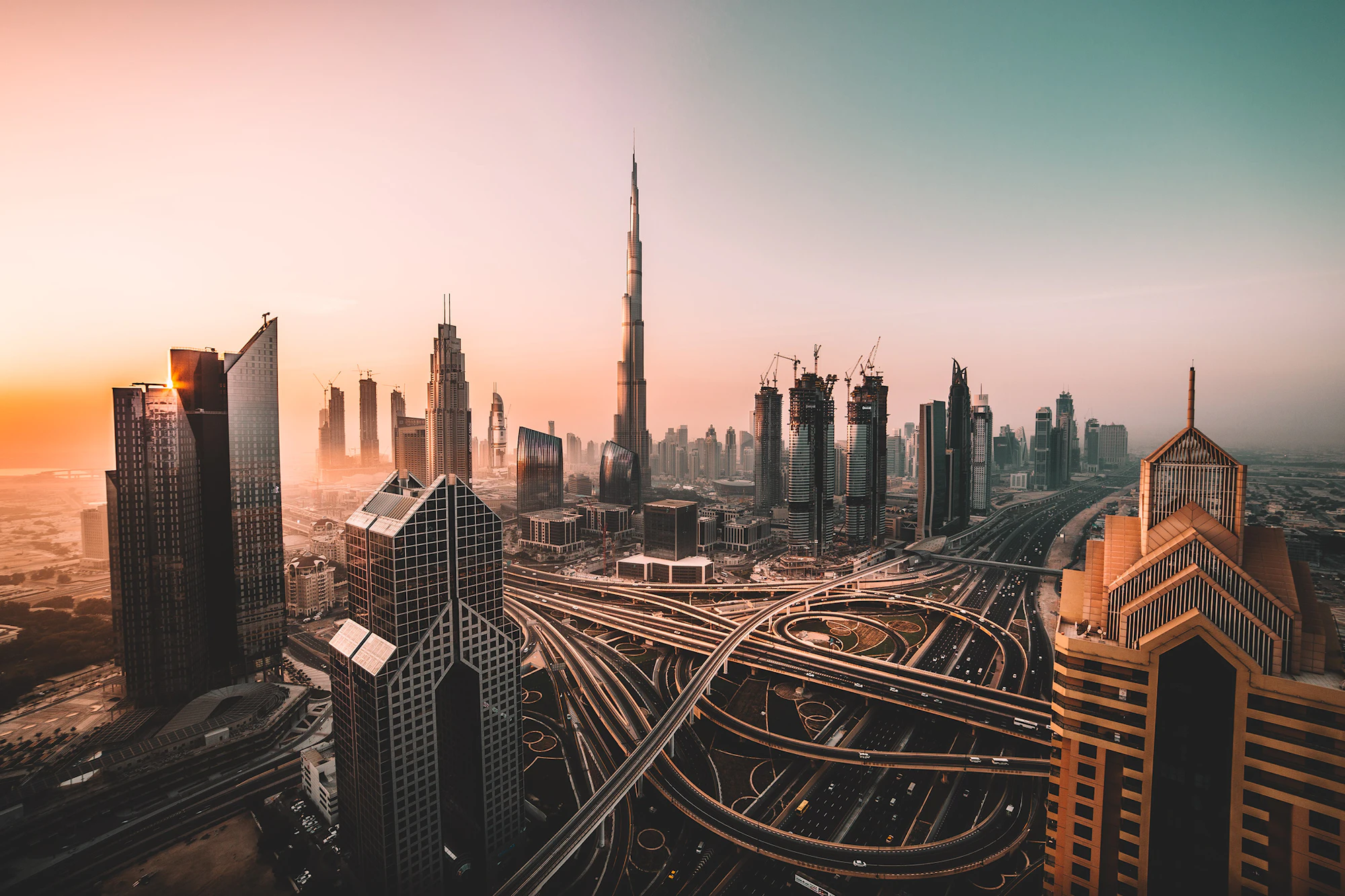
Home to the Burj Khalifa, Dubai Mall, and the Dubai Fountain, Downtown Dubai is a modern marvel of skyscrapers and luxury developments. While relatively new, it represents Dubai's ambition and rapid growth. The area was mostly empty desert until the late 1990s, but now is an iconic area to visit.
Dubai Marina and JBR (Jumeirah Beach Residence)
These waterfront districts offer a vibrant mix of residential towers, restaurants, and entertainment options. Dubai Marina is known for its luxurious yachts and waterfront promenade, while JBR is a popular beach destination with a lively atmosphere. Both areas were developed in the early 2000s on reclaimed land.
DIFC (Dubai International Financial Centre) and Business Bay
These districts are the financial and business hubs of Dubai, with modern office towers, international banks, and upscale restaurants. They represent Dubai's role as a global center for commerce and finance. Business Bay is still undergoing development, with new projects constantly emerging.
Cultural Experiences: Immerse Yourself in Emirati Life
Traditional Emirati Cooking Class
Learn to prepare traditional Emirati dishes such as Machboos (spiced rice with meat), Harees (wheat porridge with meat), and Luqaimat (sweet dumplings) in a hands-on cooking class. Several culinary schools and cultural centers offer these classes.
Henna Painting Workshop
Learn the art of henna painting from a local artist and create your own temporary body art. These workshops are often offered at cultural centers and art galleries.
Arabic Calligraphy Class
Discover the beauty of Arabic calligraphy and learn to write your name in Arabic. These classes are a great way to learn about Islamic art and culture.
Desert Safari with Bedouin Dinner
Experience the magic of the Arabian desert with a desert safari. Enjoy a thrilling ride across the sand dunes, watch a traditional Bedouin dance performance, and savor a delicious dinner under the stars.
Conclusion: Embracing Dubai's Cultural Tapestry
Dubai's cultural heritage is as captivating as its modern marvels. By exploring its museums, historical landmarks, and local traditions, your family can gain a deeper understanding of this fascinating city. From the charming alleyways of Al Fahidi to the glittering displays of the Gold Souk, Dubai offers a wealth of cultural experiences that will create lasting memories. Remember to respect local customs, engage with the Emirati culture, and embrace the opportunity to learn about a new and exciting world.
Frequently Asked Questions (FAQs)
What is the best time of year to visit Dubai for cultural experiences?
The best time to visit Dubai for cultural experiences is during the cooler months (October to April), when the weather is more pleasant for outdoor activities and exploring historical sites. The Dubai Shopping Festival (January-February) and Dubai Food Festival (February-March) also offer a rich array of cultural events.
What should I wear when visiting religious sites in Dubai?
When visiting religious sites in Dubai, it's important to dress modestly. Women should cover their shoulders and knees, and may be required to wear a headscarf. Men should also avoid wearing shorts or sleeveless shirts. Loose-fitting clothing is always a good choice in the Dubai heat.
Are there any specific customs I should be aware of during Ramadan?
If you're visiting Dubai during Ramadan, be mindful that Muslims are fasting from dawn to sunset. Avoid eating, drinking, or smoking in public during fasting hours. Many restaurants will be closed during the day, but some will offer takeaway or delivery services. Be respectful of those who are fasting and avoid making loud noises or engaging in disruptive behavior.
Is it safe to drink tap water in Dubai?
While tap water in Dubai is technically safe to drink, it is not always palatable due to its high mineral content. Most visitors prefer to drink bottled water, which is readily available throughout the city.
How can I learn more about Emirati culture during my visit?
There are many ways to learn more about Emirati culture during your visit. You can visit the Sheikh Mohammed Centre for Cultural Understanding (SMCCU), take a guided tour of the Al Fahidi Historical Neighbourhood, attend a traditional Emirati meal, or participate in a cultural workshop. You can also visit local markets and cultural centers to learn about traditional arts and crafts.
What are some good souvenirs to buy in Dubai that reflect its culture?
Some good souvenirs to buy in Dubai that reflect its culture include dates, spices, Arabic coffee pots (dallahs), pashmina shawls, and traditional Emirati handicrafts such as pottery, woven textiles, and henna-painted items. You can find these souvenirs at local markets, cultural centers, and souvenir shops.